
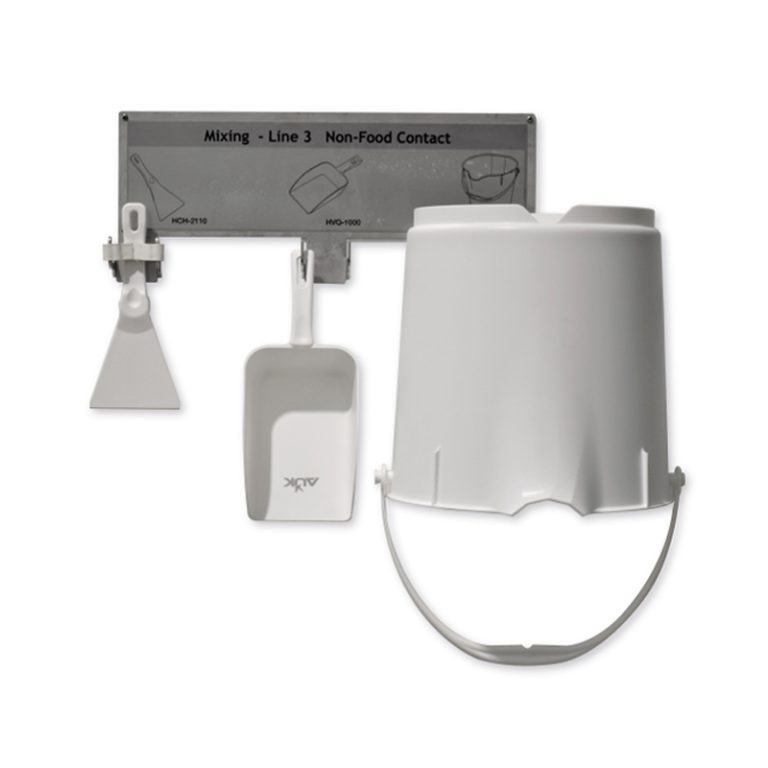
HWH-3001
Stainless Through-Board Hook, Single
A single hook for most hand tools on a custom board.
Precision in place. Custom shadow boards and visual management systems for Australian workplaces.
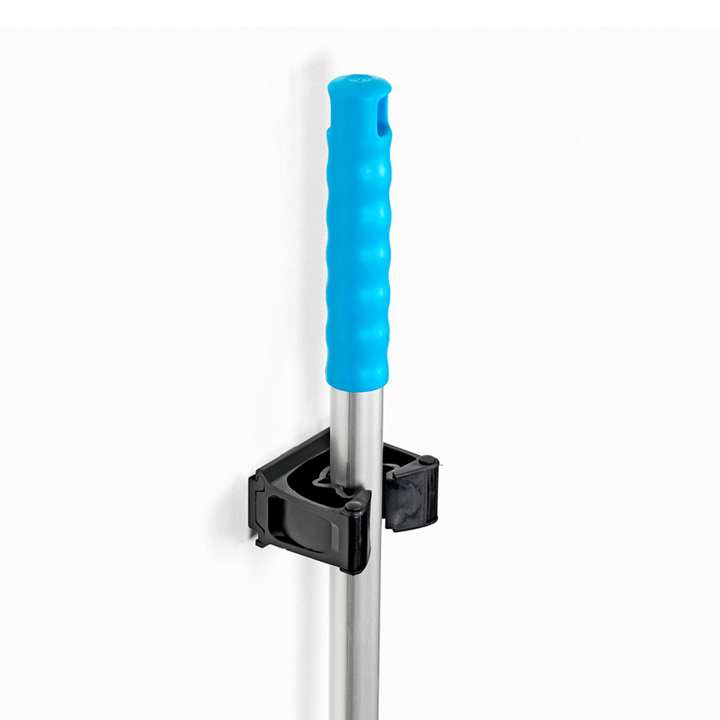
Defined tool locations for production, maintenance and workshop use. A tool shadow board shows where each tool belongs and makes missing or incorrectly returned items easier to spot.
Overview
A tool shadow board gives each tool one defined position, shown by its silhouette, label or holder. When the position is visible, anyone can see at a glance whether the kit is complete, what is missing and where each item belongs when the work is done.
5trak designs tool board layouts around the actual tool set: point-of-use organisation in production, complete kits in maintenance bays and clearly mapped positions in workshops.
Design details
Tools staged where they are used, so retrieval and return happen without leaving the work area.
Empty positions are immediately visible, making it easier to recognise when a tool is missing or returned incorrectly.
Cut outs, clips, pegs and milled seats are selected for the specific tools in your kit, including odd or non standard items.
Engraved or printed labels, colour coding and asset tags can be matched to your existing register or workplace standard.
Materials and options
Every option below is a decision we walk you through at quoting stage. You choose what matters for your audit, your washdown routine and your budget, and we do the rest.
| Typical tools | Hand tools, spanners, sockets, gauges, torque tools, drivers and workshop equipment |
| Holder types | Cut out foam, spring clips, PVC holders, magnetic mounts, pegs and custom milled tool seats |
| Board formats | Wall-mounted, freestanding or mobile, single or double sided |
| Labelling | Engraved plates, printed labels, barcode and asset tags as options |
Stocked hardware
These are examples of the hardware commonly used on this solution. Each part is supplied as part of a custom system and priced per project. Mention the SKU you are interested in when you enquire.
HWH-3001
A single hook for most hand tools on a custom board.
HWH-3002
Two tools in one position without drilling extra holes.
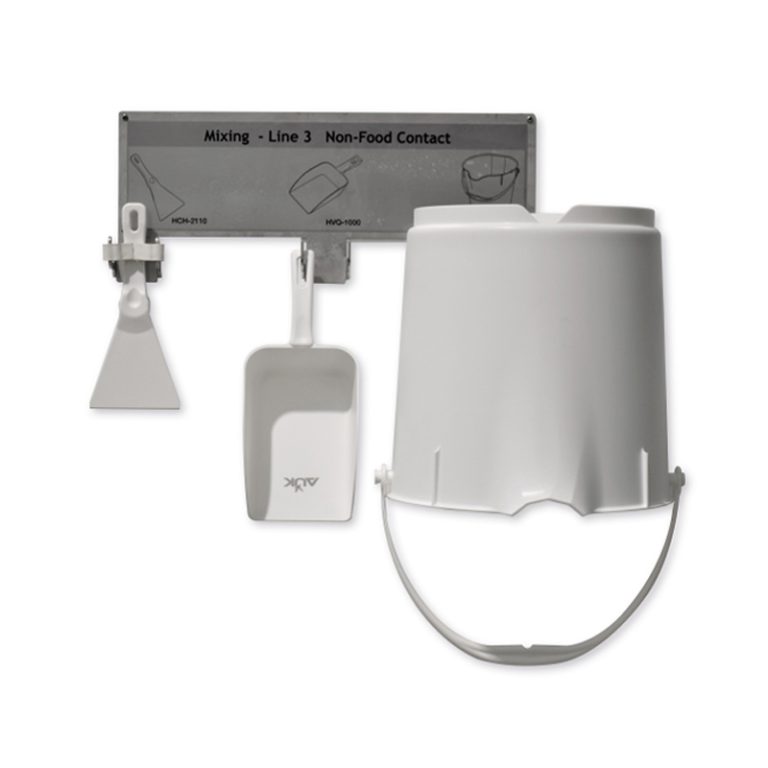
HWH-3232
For Allen keys, drivers and slim profile tools.
HWH-6201
Flexible multi-position holder for mixed tool sets.
Need a part you cannot see here? Tell us what it holds and we will identify the right hook, holder or rail for it. Discuss your requirements.
Where it performs best
Operator tools staged at the line with a defined place for each item.
Complete tool kits with visible positions for shift handover and tool control.
Hand tools and equipment organised for fast retrieval and clean return.
Mobile and freestanding formats keep shared kits accountable between users.
Common questions
Straight answers to the questions we hear most from Australian maintenance, quality and operations teams.
Have a different question? Call 1300 089 353 or send it through the contact form. Every enquiry is answered directly.
Most hand tools, gauges and workshop equipment can be given a defined position, including odd or non standard items. The layout is designed around the specific tool set.
Each tool has a visible position. An empty position is easy to recognise, which makes missing or incorrectly returned items more obvious during routine checks.
Yes. Layouts can be designed around where and how tools are used, including compact point-of-use boards and mobile systems for shared tooling.
Photographs, tool or equipment lists, dimensions and the intended location are useful starting points.
Tool board design
The layout starts with what actually needs to be organised: the tool list, where the tools are used and how often, then the board is designed around that requirement. Photographs and tool lists are useful starting points.
1
A list, photographs or a photo of the current toolbox is enough to start the design.
2
Positions, holders and labels are mapped to the tools and reviewed before production.
3
Approved layouts can be replicated across work areas or sites for a consistent standard.
Precision in place
Tell us what needs to be organised, where it will be used and any practical requirements we should understand. Photographs, tool lists and work-area dimensions are useful starting points where available.